



A Comprehensive Guide to Ethernet Switch Types
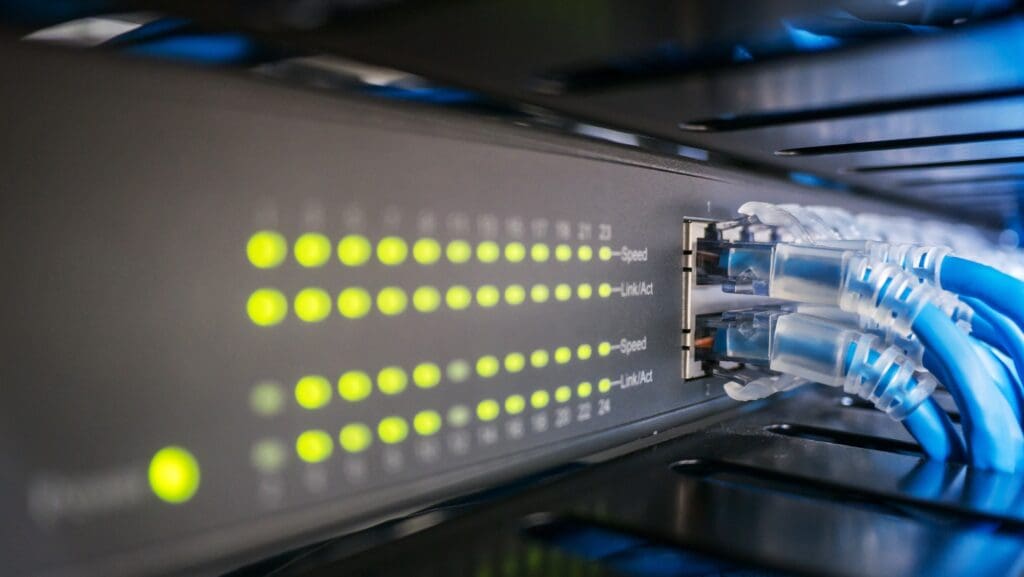
Access Points modes: FAT and FIT Understanding Ethernet Switches: A Comprehensive Guide Ethernet switches are vital components of modern computer networks, ensuring efficient communication between connected devices. In this article, we’ll explore what an Ethernet switch is, how it differs from a hub, and the distinctions between various types of switches, such as managed vs. unmanaged, Layer 2 (L2) vs. Layer 3 (L3) switches, and Power over Ethernet (PoE) switches. We’ll also look at Data General’s range of switches to help you select the right one for your network needs. What Is an Ethernet Switch? An Ethernet switch is a hardware device that connects multiple devices within a local area network (LAN), allowing them to communicate and share data. Switches are responsible for directing data packets to their intended destinations by analyzing the device’s Media Access Control (MAC) addresses. Unlike simpler network devices, switches manage traffic efficiently by ensuring data is only sent to the correct recipient, preventing unnecessary data transmission to all devices on the network. Switches play a critical role in creating more efficient, secure, and high-performing networks, making them indispensable in both home and business environments. Difference Between a Switch and a Hub At first glance, a switch and a hub might seem similar because both connect multiple devices on a network. However, there are key differences in how they manage network traffic: Hub: A hub is a basic network device that broadcasts data to all connected devices, regardless of the intended recipient. This can lead to inefficiencies and network congestion, as every device receives all the data, whether it’s relevant to them or not. Switch: Unlike a hub, a switch intelligently forwards data only to the device it’s intended for. It reads the MAC addresses of connected devices, ensuring data is sent directly to the correct recipient. This leads to faster, more efficient, and more secure data transmission. In summary, while hubs indiscriminately share data with all devices, switches ensure that data is directed only to the appropriate device, improving overall network performance. Difference Between Managed and Unmanaged Switches When choosing an Ethernet switch, one of the key considerations is whether to opt for a managed or unmanagedswitch. Here’s the difference: Unmanaged Switches: These are plug-and-play devices that require little to no configuration. They are ideal for small networks where advanced features like traffic control, monitoring, or custom configurations are not needed. Unmanaged switches are cost-effective and straightforward but lack the flexibility and control of managed switches. Managed Switches: Managed switches offer advanced features, allowing administrators to control, configure, and monitor the network. They provide the ability to prioritize traffic, create virtual LANs (VLANs), and implement security policies. Managed switches are suitable for larger networks or environments with complex data flows where control and performance optimization are crucial. Choosing between managed and unmanaged switches depends on the complexity of your network. For simple home or small office setups, an unmanaged switch may suffice. However, for larger or more dynamic networks, a managed switch offers the flexibility and control necessary for optimal performance and security. Difference Between Managed Layer 3 and Layer 2 Switches Managed switches can be classified into Layer 2 (L2) and Layer 3 (L3) based on their functionality within the OSI model of networking. Layer 2 Switches: L2 switches operate at the data link layer, focusing on MAC addresses to forward data between devices. They handle traffic within the same network or VLAN but cannot route traffic between different networks. These switches are ideal for handling internal network traffic. Layer 3 Switches: L3 switches operate at both the data link layer and the network layer, meaning they can route data between different networks, much like a router. They are capable of using IP addresses for routing traffic, making them suitable for larger, more complex networks that need inter-VLAN routing or routing between different subnets. In essence, L2 switches are ideal for managing traffic within a single network, while L3 switches are better for environments where multiple networks need to communicate with each other. What is a PoE Switch? PoE (Power over Ethernet) switches are specialized switches that not only transmit data but also deliver power to connected devices over the same Ethernet cable. This eliminates the need for separate power supplies, making installation simpler and more cost-effective, especially for devices like Wi-Fi access points, IP cameras, VoIP phones, and IoT devices. PoE switches come in two common standards: PoE (802.3af): Delivers up to 15.4 watts of power per port. PoE+ (802.3at): Delivers up to 30 watts of power per port, supporting devices that require more power. PoE switches are widely used in environments where devices need to be installed in hard-to-reach places, such as ceilings or walls, where running separate power cables would be impractical. Data General Ethernet Switches Data General offers a comprehensive range of Ethernet switches, catering to diverse network needs. Whether you require simple, cost-effective switches or high-performance devices with advanced features, Data General’s switchesare designed to deliver seamless connectivity, high reliability, and efficient network management. With switches that support both FAT (Fully Autonomous Terminal) and FIT (Flexible Intelligent Thin) modes, Data General provides flexibility depending on the network’s needs. Whether you’re setting up a small business network, managing a complex enterprise infrastructure, or powering devices with PoE, Data General has the right switch for you. Some key features of Data General switches include: Advanced security features to protect against unauthorized access. High-performance capabilities for managing heavy network traffic. PoE options for simplified installation of devices like access points and IP cameras. Cloud-managed switches for centralized, easy-to-control network management. Explore the Data General’s switches to find the best solution for your network. Contact Data General If you have any questions about which switch is best for your network, or if you need expert guidance, feel free to reach out to Data General’s team. Our experts are available to help you choose the right product for your needs. Visit our contact page to get in touch with us today.
Optimize Energy efficiency with PoE Switches
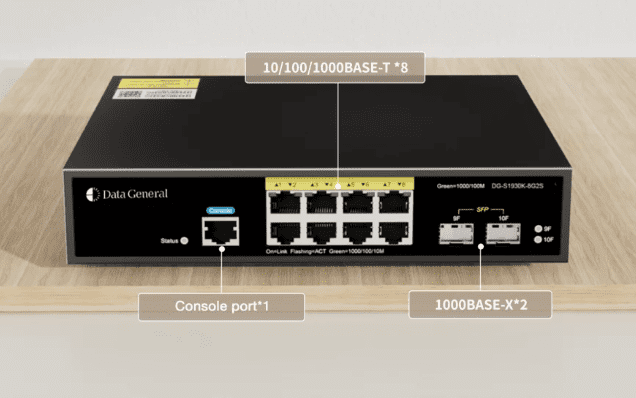
Optimize your network with PoE Switches Energy Efficiency and Simplicity: Why Choose Data General’s PoE Switches for Your Business In today’s fast-paced business environment, staying competitive means adopting advanced technologies that boost operational efficiency. One such technology is Power over Ethernet (PoE) switches, which combine data and power delivery into a single, streamlined solution. Data General offers a range of high-performance PoE switches designed to meet the needs of modern businesses. Below, we explore the key reasons why your organization should consider Data General PoE switches for simplifying infrastructure, improving energy efficiency, and enabling scalable network solutions. Simplification of Infrastructure One of the primary advantages of Data General’s PoE switches is the simplification of network infrastructure. By using a single Ethernet cable to transmit both data and electrical power, PoE switches eliminate the need for additional power cords and outlets. This is especially beneficial in environments where multiple devices, such as IP phones, security cameras, and Wi-Fi access points, are used extensively. In addition to reducing clutter, this integration of power and data means fewer electrical connections and outlets are required, which simplifies installation and long-term maintenance. Whether you are installing a new system or upgrading an existing network, PoE switches streamline the process, reducing installation times and costs. Flexibility in Device Installation Another critical feature of PoE technology is the flexibility it offers in device placement. Traditional devices need to be located near electrical outlets, which often limits placement options. However, with Data General PoE switches, devices can be installed in optimal locations without having to worry about access to power. This capability is particularly important in environments such as warehouses, retail stores, or offices, where mobility is essential, and network devices may need to be relocated regularly. By providing power through the Ethernet cable, PoE switches allow businesses to deploy Wi-Fi access points, security systems, and other network devices in locations that would otherwise be challenging or expensive to service with traditional electrical outlets. Energy Efficiency and Cost Savings Incorporating PoE switches from Data General into your network can result in significant energy savings. Traditional network setups often require individual power supplies for each device, leading to inefficient power management and increased operating costs. PoE technology, by contrast, consolidates power delivery, which makes it easier to monitor and manage overall energy consumption. One of the standout features of PoE switches is their ability to support energy-saving strategies, such as remotely powering down devices when they are not in use. For example, security cameras, wireless access points, and IP phones can be turned off during off-hours or periods of low activity, contributing to lower energy consumption. This not only lowers your electricity bill but also reduces your company’s carbon footprint. By consolidating power management into a single network solution, PoE switches allow for proactive energy control, ensuring you’re not wasting resources on powering unused devices. This can lead to significant long-term savings, particularly for organizations with large or complex networks. Rapid Deployment and Scalability Data General’s PoE switches provide a distinct advantage when it comes to rapid deployment. Because they eliminate the need for complex electrical wiring, they are easier and faster to install than traditional network setups. Whether deploying a single PoE device or a network-wide system, the installation process is quick and efficient, allowing you to scale your network as needed without extensive downtime. Scalability is particularly important for growing businesses, which need to add devices or extend their network infrastructure without disrupting ongoing operations. With Data General’s PoE switches, you can expand your network as your business grows, adding more devices without needing to overhaul the existing electrical infrastructure. This flexibility makes PoE an ideal solution for businesses that prioritize adaptability and future-proofing. Centralized Management and Remote Monitoring One of the most critical advantages of Data General’s PoE switches is the ability to centralize network management. Instead of managing power and data delivery separately, PoE switches allow you to control both from a single, unified interface. This provides greater oversight and makes it easier to monitor device performance, allocate bandwidth, and adjust settings as needed. Additionally, PoE switches enable remote monitoring capabilities. This allows IT staff to identify and resolve issuesproactively before they become major problems, improving network reliability and availability. By keeping track of device status, power usage, and connectivity, you can ensure your network is running efficiently and address any potential vulnerabilities swiftly. For businesses that rely on continuous uptime, such as hospitality, retail, and corporate offices, this centralized management can be a game-changer. Not only does it simplify day-to-day network operations, but it also enables better long-term planning and maintenance. PoE Switch use scenarios Data General PoE switches are designed to support a wide range of industries and applications. Some common use cases include: Retail and Hospitality: PoE switches power IP cameras and wireless access points, providing seamless security and network coverage for customers and employees. Offices: From IP phones to wireless networks, PoE simplifies office setups by reducing the number of cables and devices needed for installation. Industrial Environments: PoE switches allow for remote monitoring of equipment and the seamless integration of IoT devices into your existing network infrastructure. Healthcare: Hospitals and clinics can benefit from PoE’s ability to provide continuous, reliable power to critical devices like patient monitoring systems, surveillance cameras, and communication tools. Data General PoE Switches: A Comprehensive Solution Data General PoE switches offer unmatched flexibility, reliability, and energy efficiency. With solutions that simplify infrastructure, support rapid deployment, and enable centralized management, Data General provides everything you need to keep your network operating at peak performance. Browse Data General’s PoE switch catalog to find the best solution for your specific business needs. Whether you are looking to simplify your existing network or scale up your infrastructure for future growth, Data General’s switches offer the ideal solution. For personalized advice and guidance on selecting the right PoE switch for your business, contact Data General’s team. Our experts are ready to help you find the perfect solution for your network.